
Spirit-Led Church Multiplication in Samburu Kenya
What’s happening in Samburu is a blueprint for connecting with the least-reached around the world.
Reaching One of Africa’s Most Remote and Unreached Regions
In the rugged, arid lands of Samburu County, a quiet but powerful movement is transforming lives.
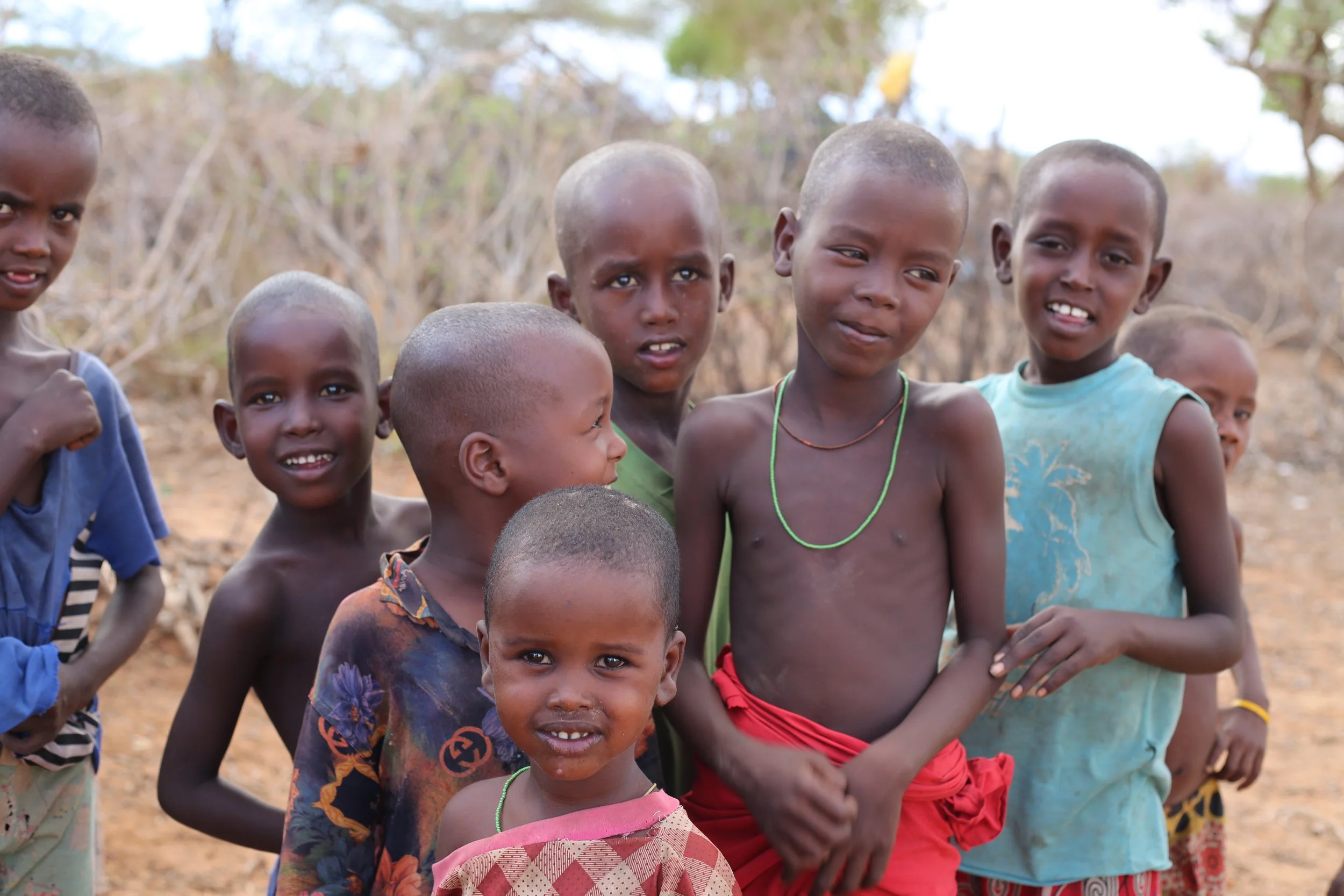
Once considered one of the hardest places in East Africa to reach with the Gospel, Samburu is now home to a historic church-planting movement called Nkalup—a Samburu word meaning 1,000.
What began with just 158 churches has grown into a bold vision for 1,000 locally led, self-sustaining churches bringing hope, discipleship, and transformation across the region.
This is more than church growth.
It is a model of unity, indigenous leadership, and Gospel impact at scale.
950+ churches planted and growing.

Why Samburu Matters
Samburu County is one of the most underserved and historically least-reached regions in Kenya. Covering an area roughly the size of New Jersey, its remote communities and limited infrastructure have historically made ministry difficult.
The Challenge:
300,000+ residents spread across remote lands
Nomadic pastoral communities with little infrastructure
Chronic drought and economic hardship
Limited access to schools, healthcare, and clean water
Deeply oral culture where many adults cannot read or write
The Opportunity:
Strong family and tribal relationships
Deep respect for elders and spiritual truth
Communities open to relationship-based ministry
A culture where stories, songs, and testimony carry power
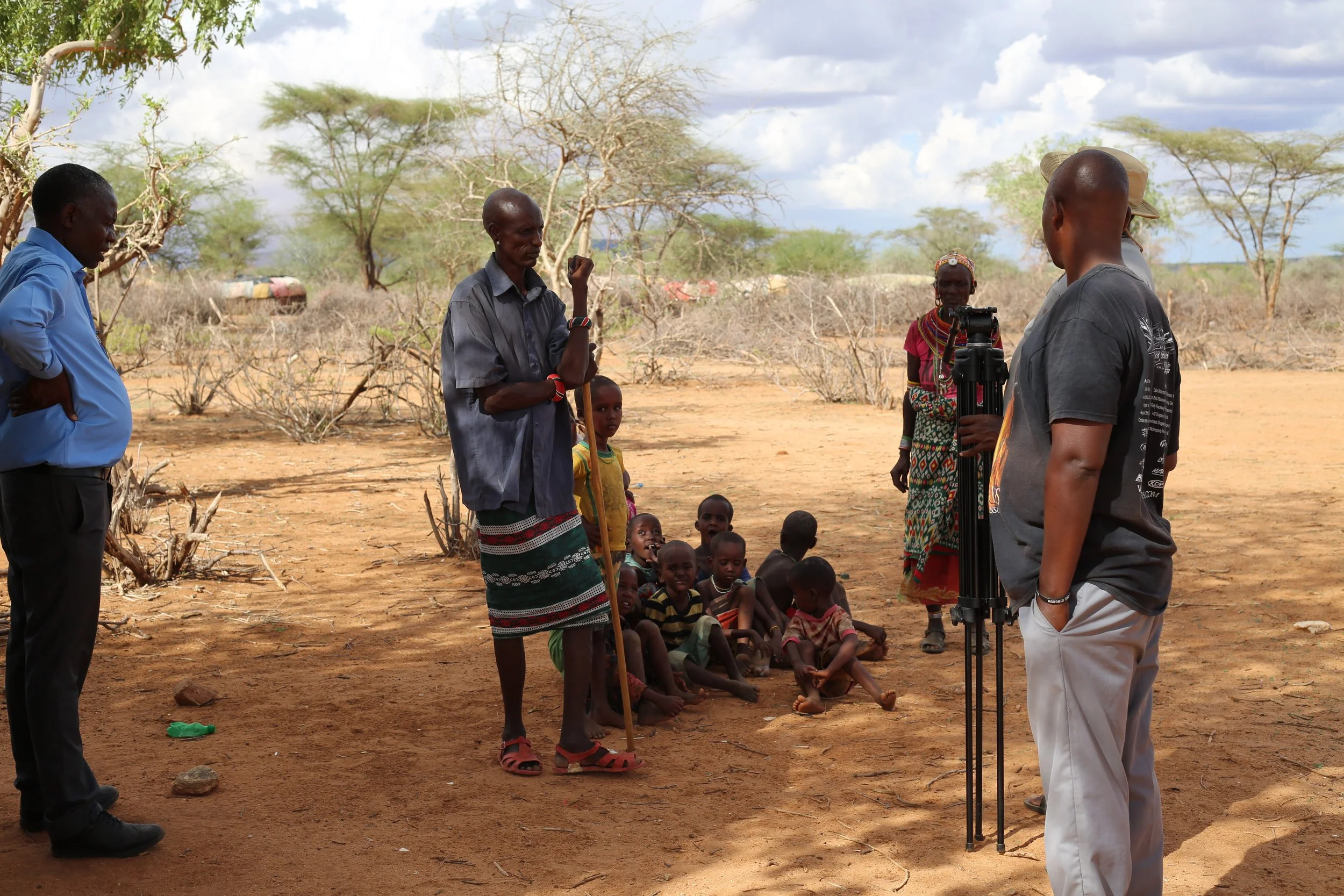

When the Gospel is shared in culturally meaningful ways, hearts are opened and communities are transformed.
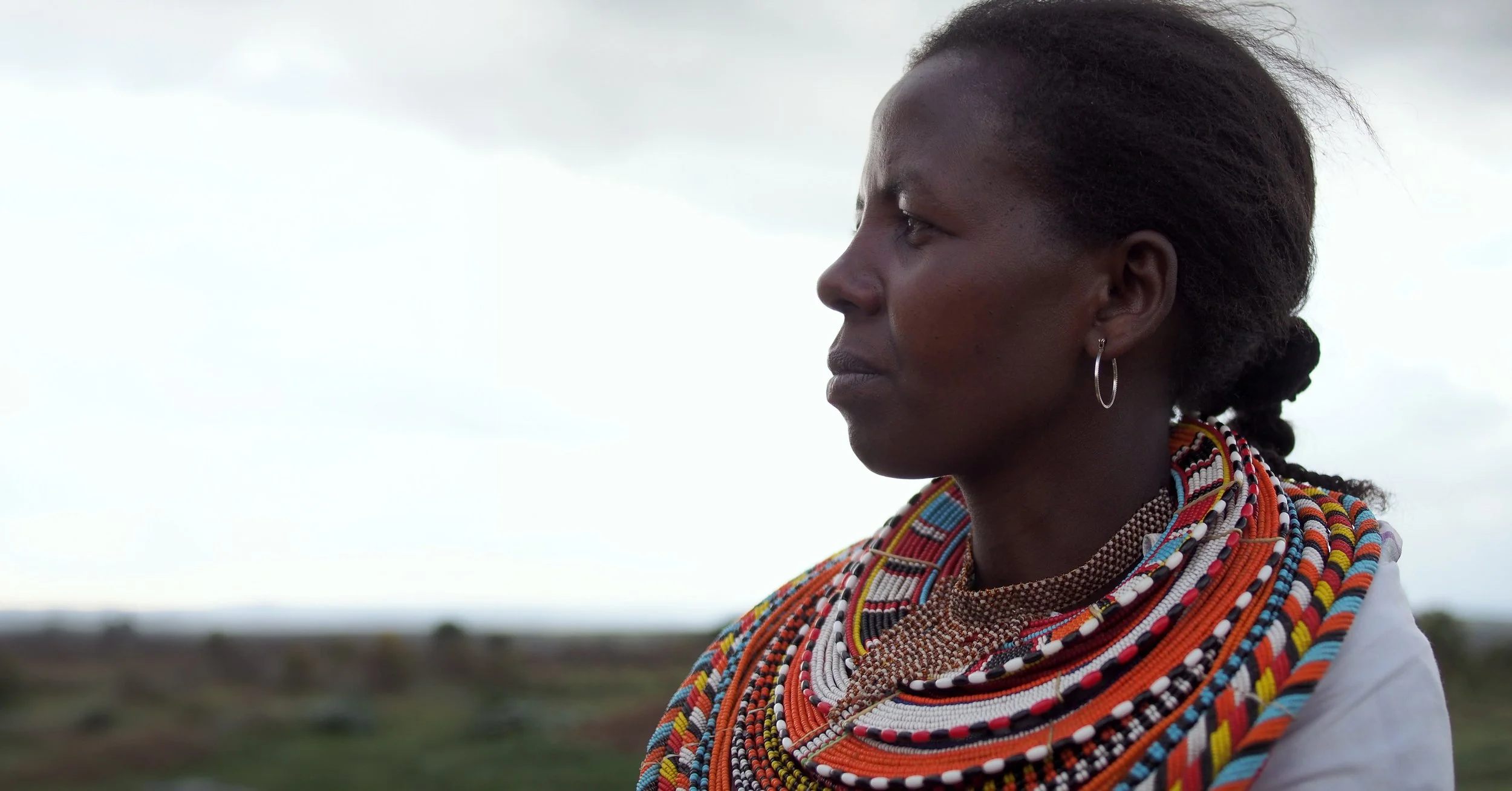
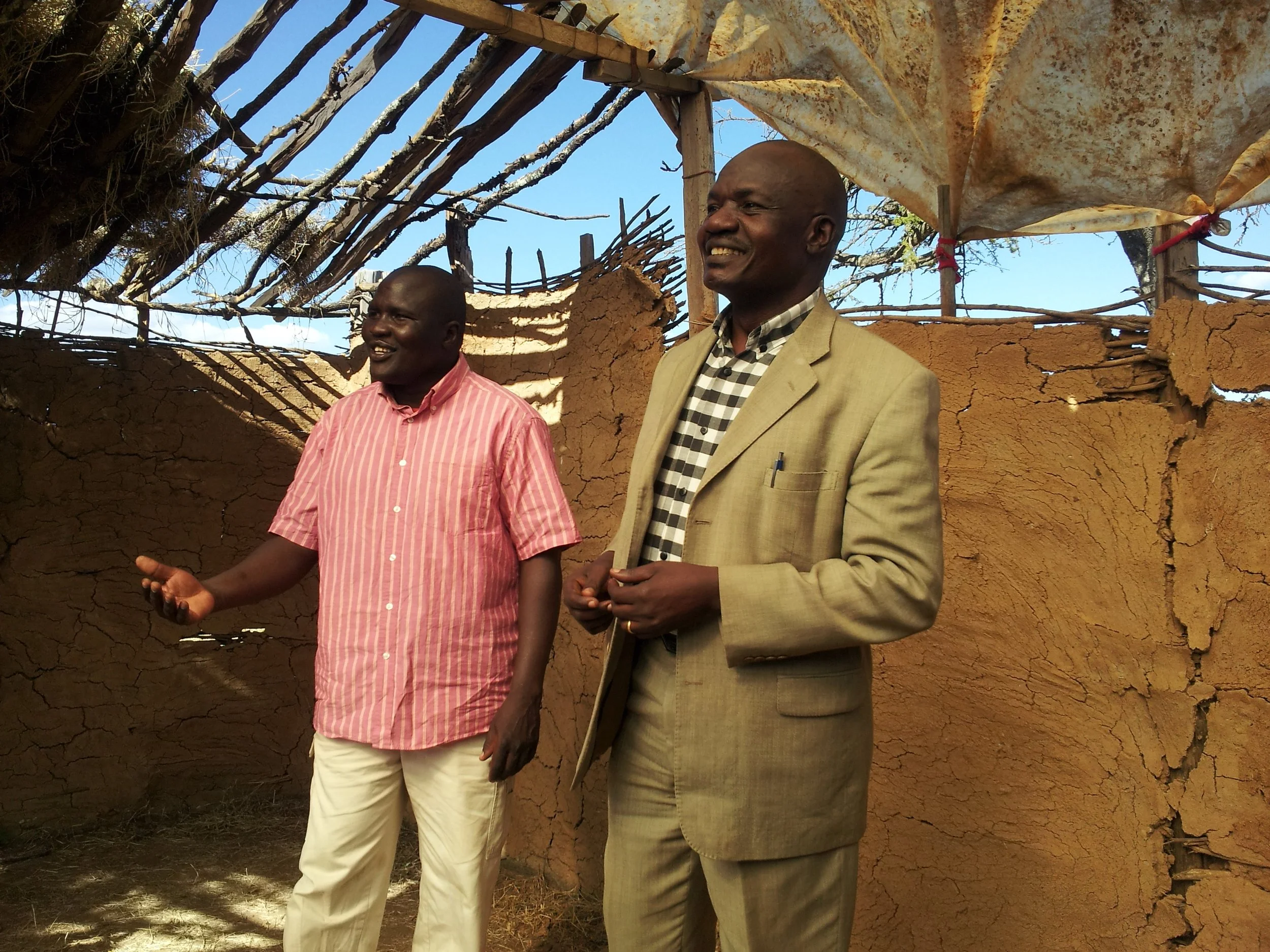
The Vision:
1,000 Churches,
Locally-Led
Nkalup was launched through partnership between Kenyan leaders from over 20 denominations, Faith Ventures Foundation, Inc., God’s Grace for All Nations, and global mission partners.
From day one, one principle shaped everything:
This movement would be led by Samburu believers—not outsiders.
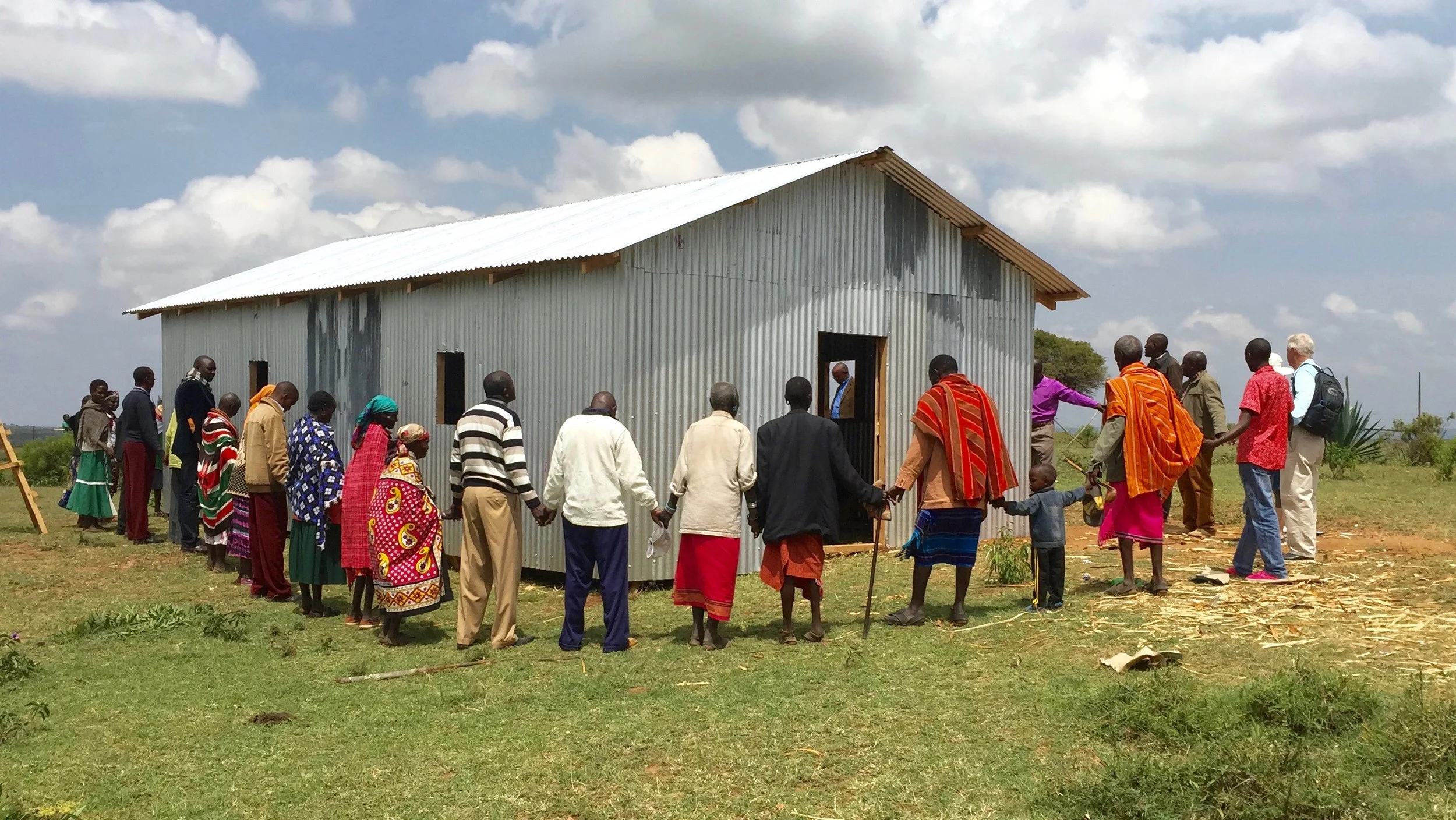
Instead of importing disciples, Nkalup equips local Preaching Point Leaders (PPLs) to reach their own people.
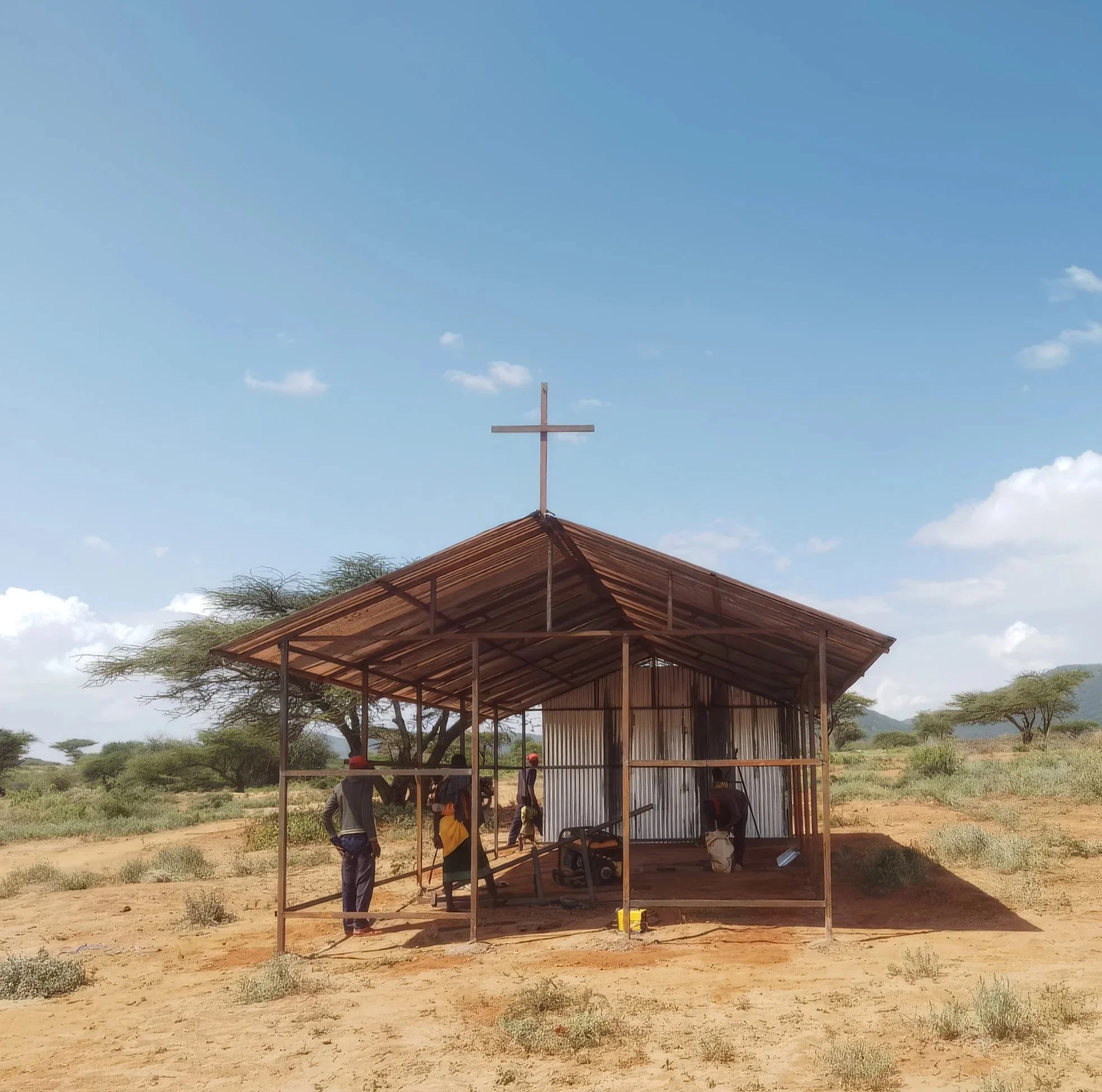
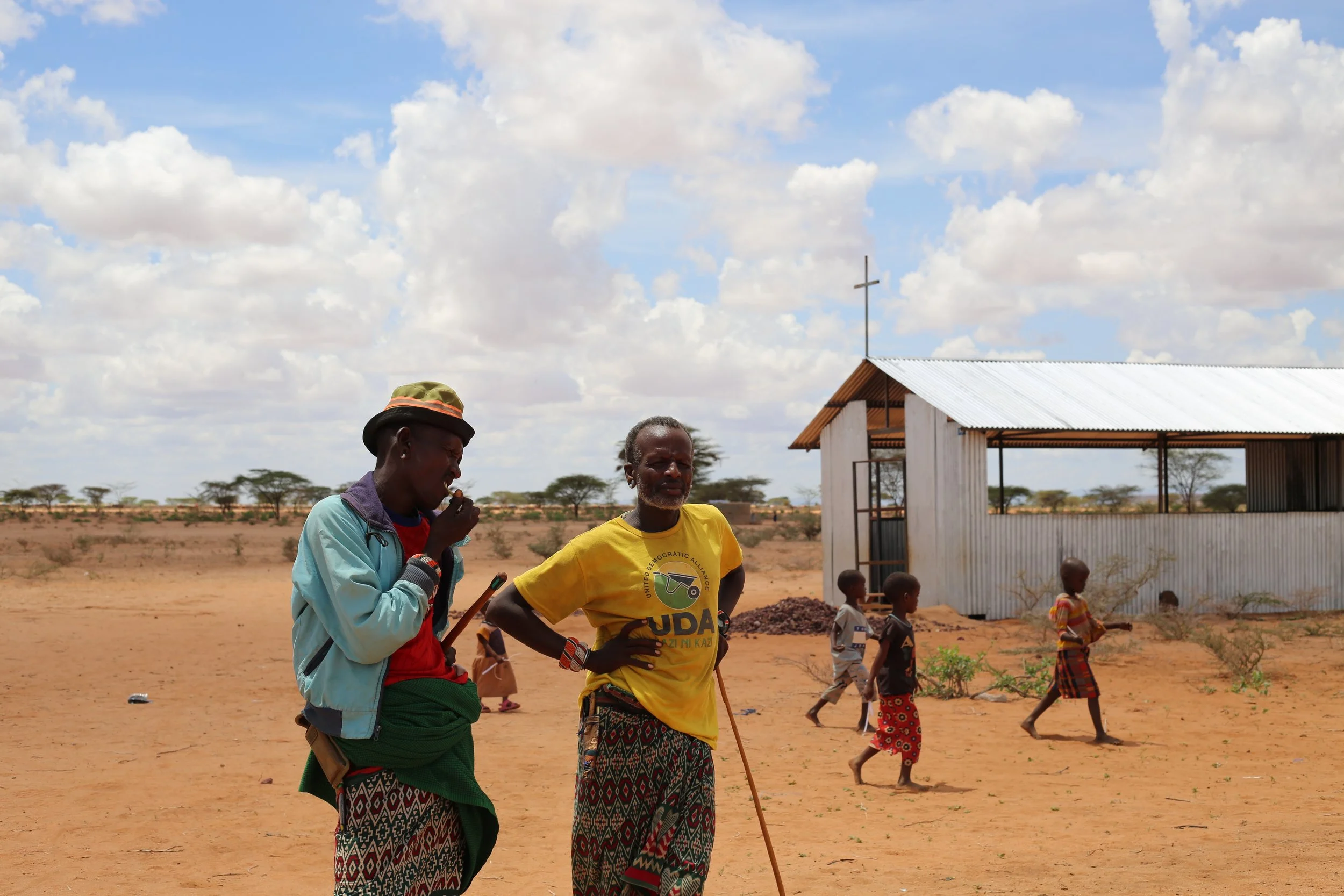
Churches often begin simply, under a tree, in a manyatta, or in a temporary shelter.
But as they grow, they become centers for worship, discipleship, preschool education, food relief, community care, and leadership development.
Reaching scattered communities across Samburu County’s vast landscape requires structure, so Nkalup created a practical system that combines local ownership with shared support.
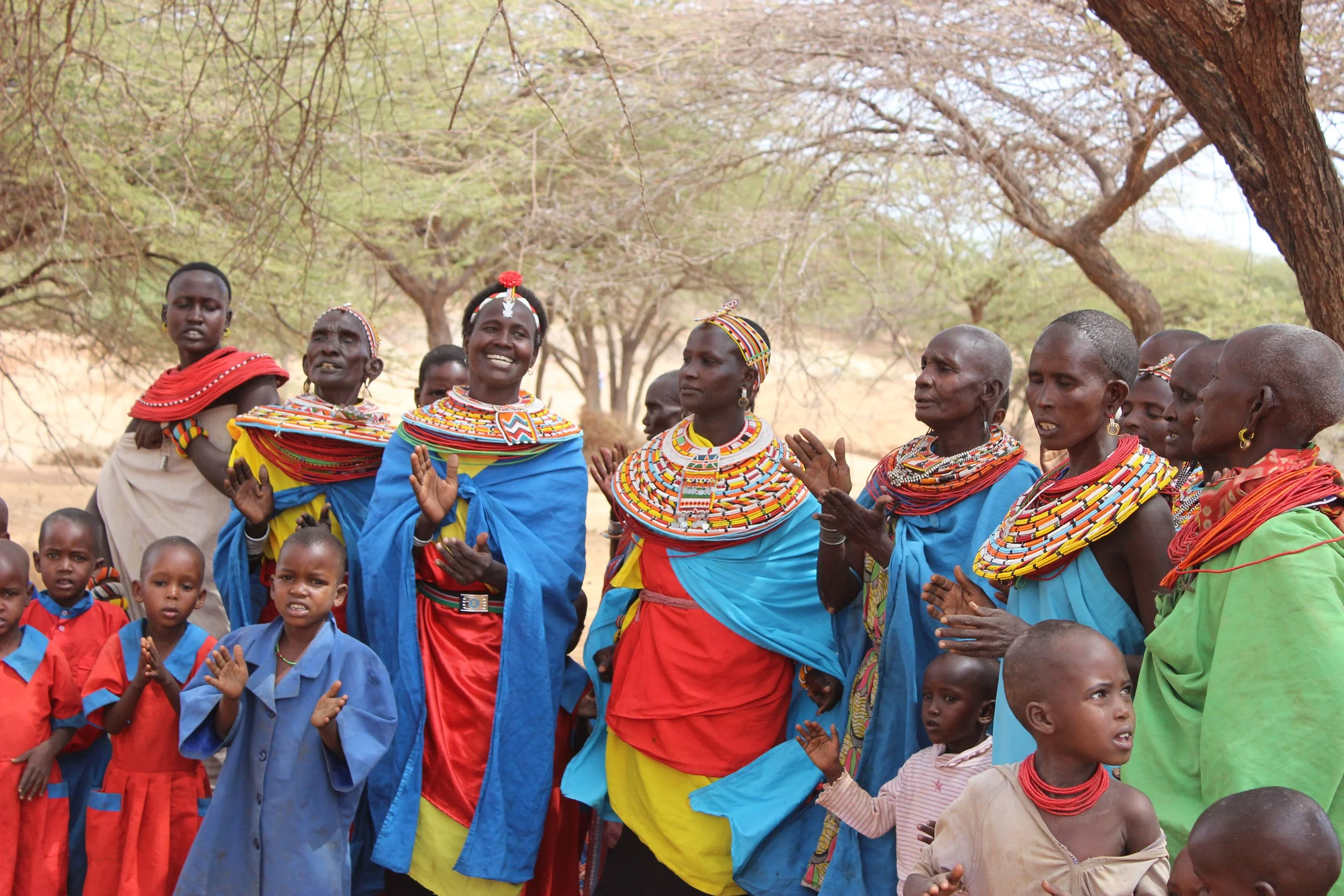
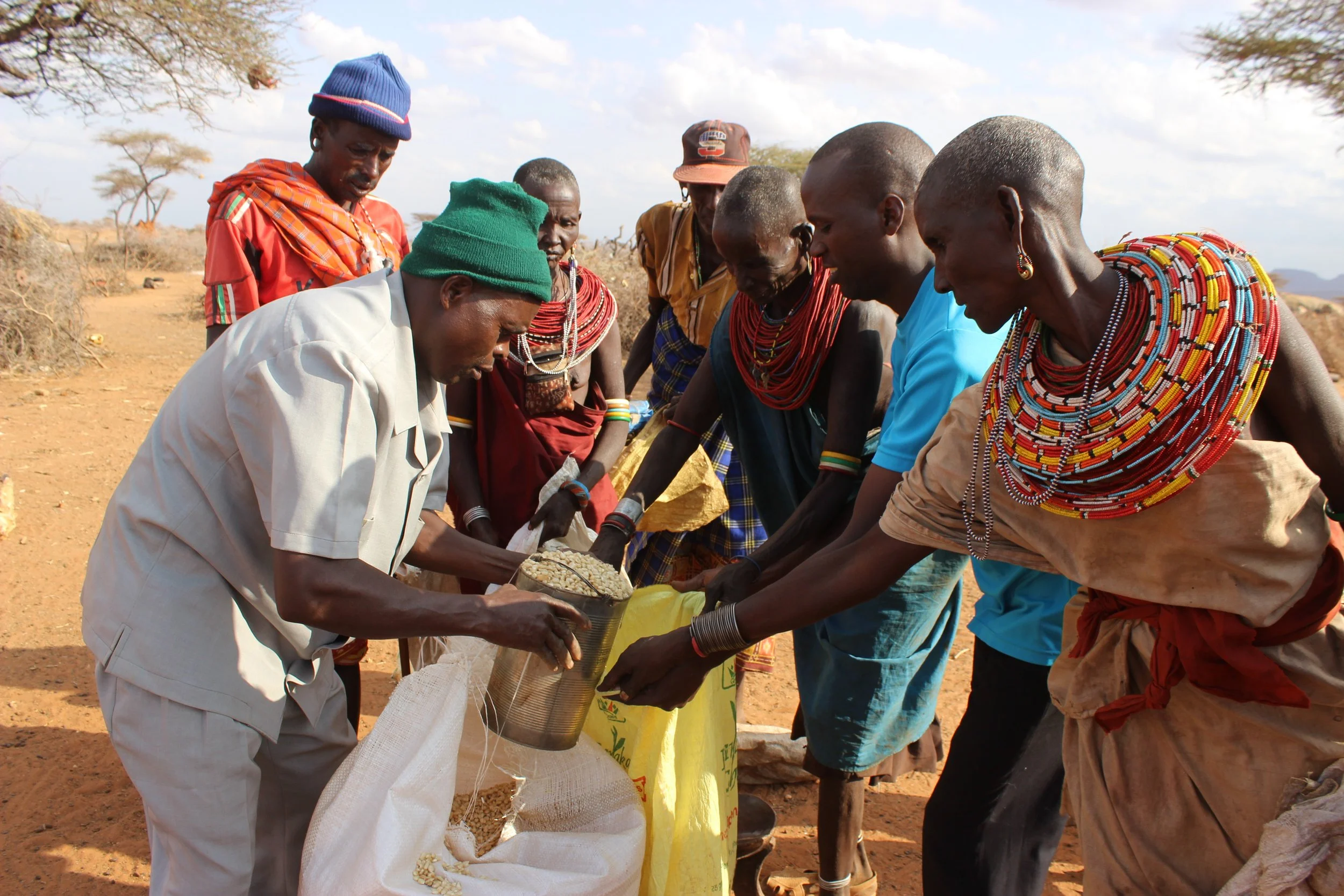
Regional Coordinators
Supporting Preaching Point Leaders across six regions, providing coaching, accountability, and problem-solving close to the field.
Shared Support
Centralized support serves all participating denominations, creating efficiencies and eliminating duplication.
Common Processes
Consistent training tools and reporting systems create clear messaging, easier teaching, and reproducible ministry methods across the movement.

Transformation Numbers
950+
Churches Planted
60K+
Members
1.5M+
Relief Meals
400+
Churches Built
18
Preschools
Core Principles
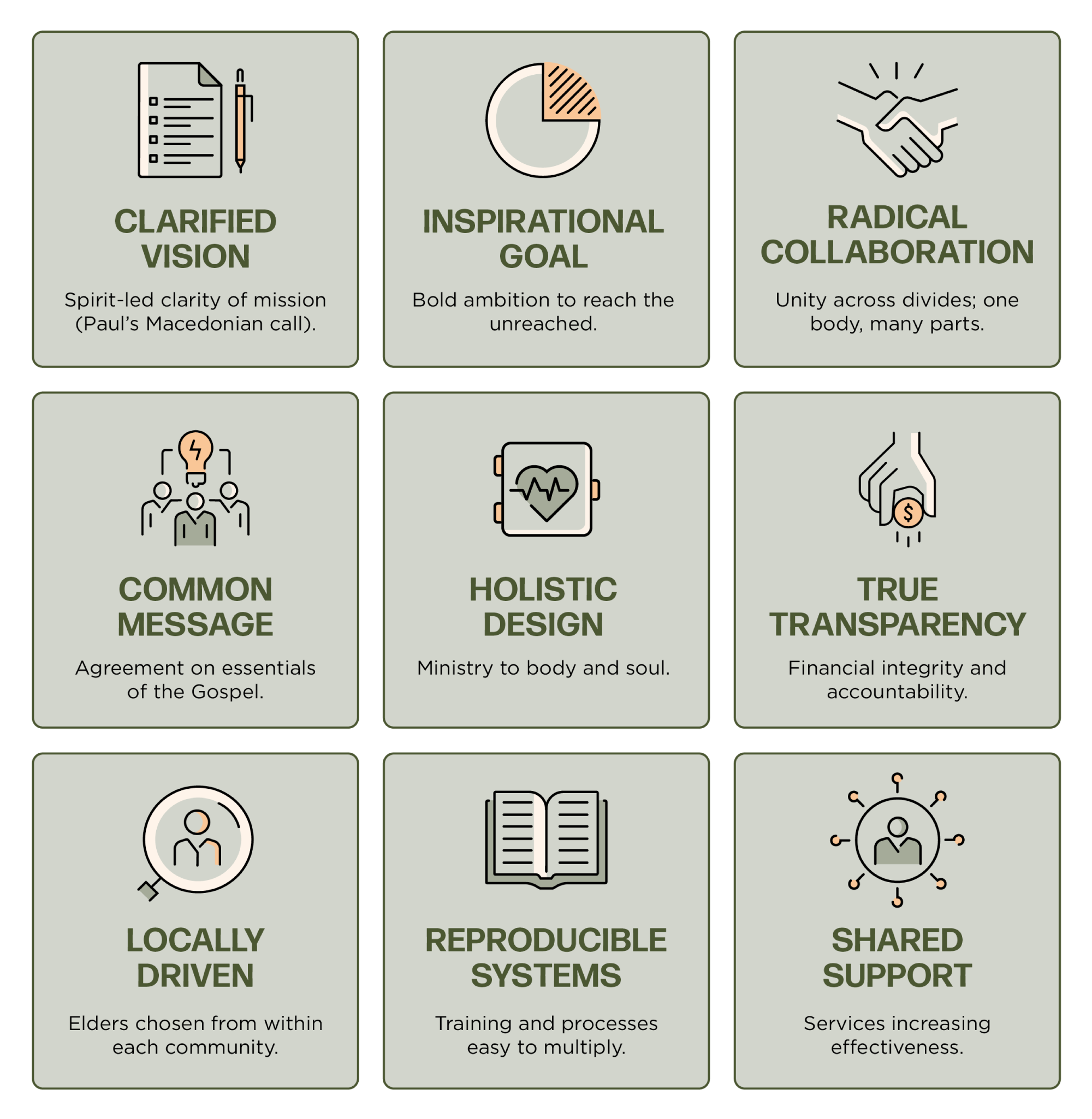
The same principles that fueled Nkalup’s success are not meant to remain in Samburu; they are a model for the wider Church. Rooted in Scripture and proven in practice, these principles guide both what has been accomplished and what lies ahead.
This is an invitation to co-labor. Some will plant, others will water, but all can pray, encourage, and give.